Harry Brook and Jofra Archer Face Dilemma as Cricket Returns to LA28 Olympics
The Olympic Call: A New Era for Cricket
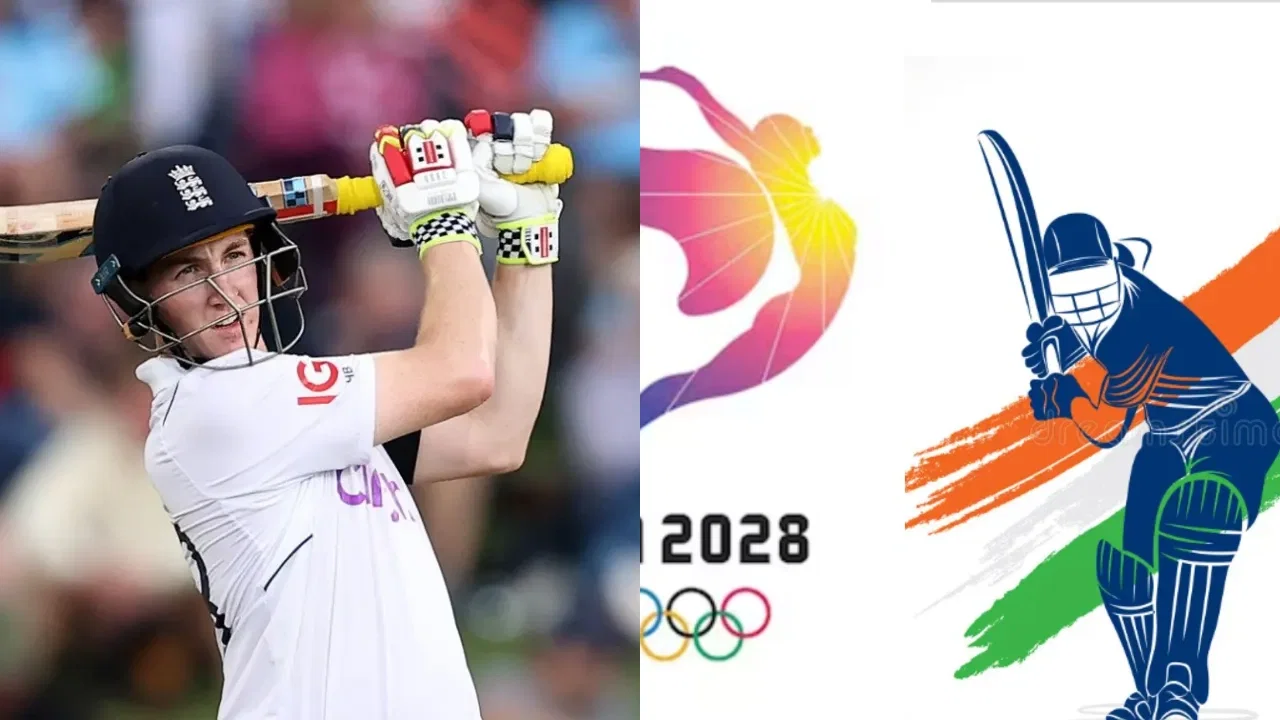
Cricket is set to make a historic return to the Olympic stage at the 2028 Los Angeles Games, marking a monumental milestone for the sport. However, this prestigious inclusion brings with it complex logistical challenges, particularly for the England and Wales Cricket Board (ECB) and Cricket Scotland. As both boards work to form a combined ‘Great Britain’ (GB) entity to compete, the shadow of a scheduling conflict looms large over the English summer.
The Scheduling Conflict Explained
The LA28 Olympics are scheduled to take place from July 14 to July 30, 2028. This timeframe aligns directly with the heart of the English cricket season. Traditionally, this period is reserved for high-stakes Test matches and bilateral series. According to the current calendar, the England men’s team is slated to face the West Indies in a three-match Test series during the exact window of the Olympic Games.
This creates an unprecedented scenario where the ECB may be forced to manage two separate, high-caliber squads simultaneously—one committed to the traditional red-ball format and another representing Team GB on the global Olympic stage.
Stars at the Crossroads
The potential implications for England’s Test squad are significant. If the ECB prioritizes supporting the Olympic movement by sending its best available talent, stalwarts of the current team could find themselves trading their whites for Olympic gear. Players such as Harry Brook, who is often touted as a future captain, and the pace sensation Jofra Archer are among those identified by reports as being affected by these potential dual commitments.
The impact is not limited to established stars. Emerging talents like Jacob Bethell could also find their summer plans dictated by the needs of the GB team. If selected for the Olympic squad, these players would be unavailable for the Test series against the West Indies, forcing the selectors to dig deep into the country’s talent pool.
Uncertainty Regarding Team GB
While the prospect of Olympic glory is enticing, the composition of the GB cricket team remains shrouded in mystery. There is currently no definitive information on the selection criteria or the final roster. Because the tournament is still several years away, the landscape of English cricket is expected to evolve significantly, making it difficult to predict exactly who will be deemed ‘essential’ for each format.
Reports suggest that while the ECB is committed to supporting cricket’s Olympic debut, nothing is set in stone. The final decision will likely balance the prestige of the Olympics against the sanctity of the Test match schedule. As the ECB stated, there is a strong desire to support the sport’s inclusion in the Games, but the priority will always be maintaining the standard of English cricket across all formats.
The Balancing Act
Managing the intersection of bilateral Test obligations and the Olympics requires meticulous planning. For the ECB, the challenge lies in maintaining the integrity of the Test side while ensuring the GB Olympic team is competitive enough to represent the sport well on a global stage. This situation highlights the growing pains of a sport transitioning into a multi-sport environment.
In the coming two years, the cricket world will closely monitor how these administrative decisions unfold. While the allure of an Olympic medal is undeniable, the traditional value of Test cricket remains a cornerstone of the English game. For players like Brook and Archer, the road to 2028 promises to be as complex as it is exciting, balancing the traditions of the past with the Olympic aspirations of the future.
Looking Ahead
As the countdown to Los Angeles begins, the cricket fraternity can expect more clarity on the selection process and team structures. Until then, the possibility of seeing England’s brightest stars compete for Olympic gold remains an intriguing prospect that could redefine how we view the international cricket calendar. Whether this leads to a split-squad system or a compromise in scheduling, one thing is certain: the return of cricket to the Olympics is set to change the dynamics of the sport forever.