Scotland still have 2028 T20 World Cup automatic qualification incentive

A Crucial Opportunity on the Horizon
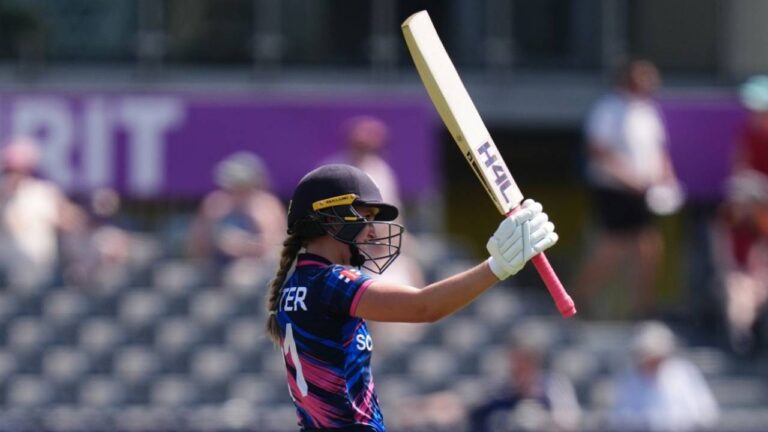
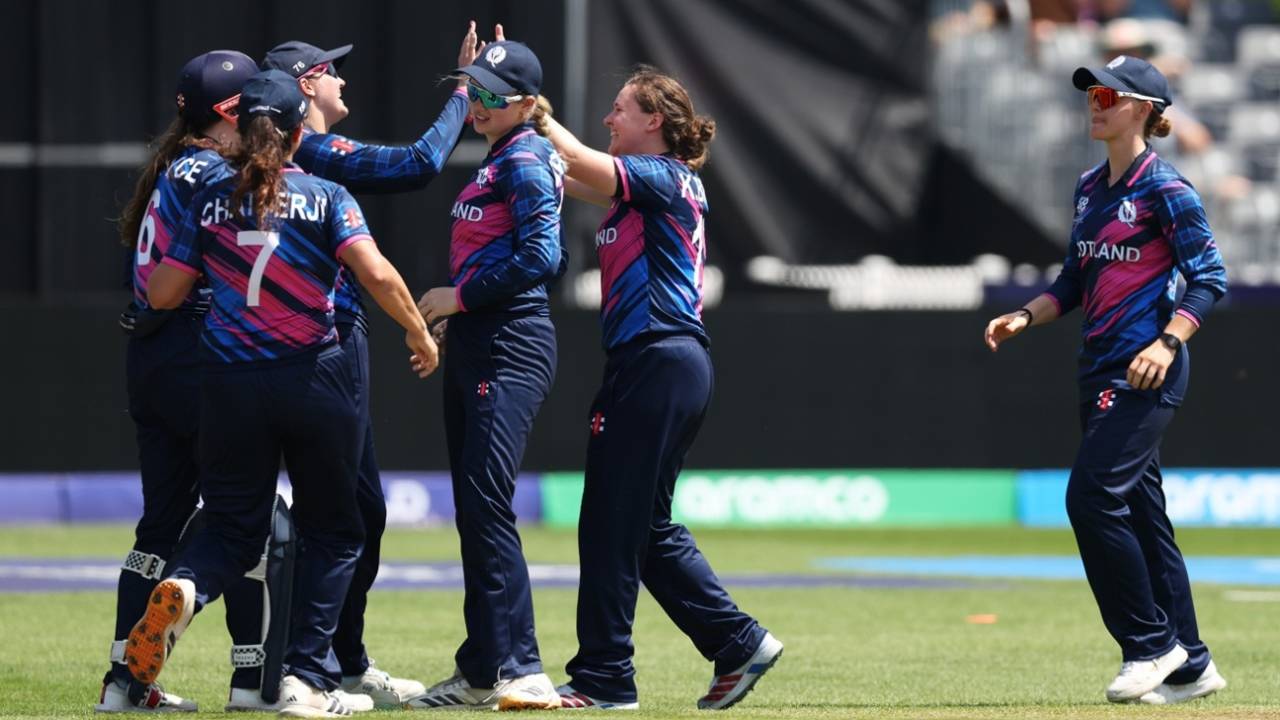
While the path to the semi-finals of the current T20 World Cup has closed, the competitive fire for Scotland remains undimmed. The motivation is clear: Scotland still have 2028 T20 World Cup automatic qualification incentive, and their final group match serves as a high-stakes encounter that could shape their immediate cricketing future. Finishing in the top four of their group is not just about pride; it is a direct gateway to the 2028 T20 World Cup, scheduled to be held in Pakistan.
The Stakes of the Final Match
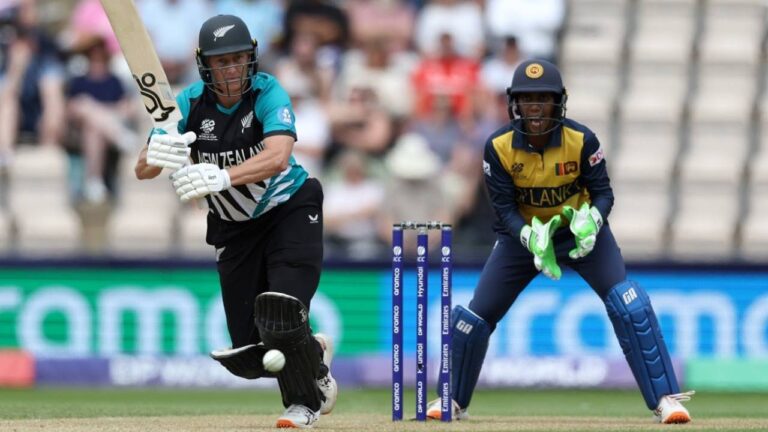
Currently sitting fifth in their group, Scotland finds themselves in a precarious but potentially rewarding position. With one final match remaining against fourth-placed Sri Lanka, the outcome could significantly alter the qualification landscape. The team is currently trailing Sri Lanka and New Zealand on net run-rate, but a victory in their final outing could see them leapfrog these competitors, effectively bypassing the arduous qualification tournament process that awaits those who fail to secure an automatic berth.
Understanding the Qualification Pathway
The qualification criteria for the 2028 edition are rigorous. According to established ICC protocols, the path to entry involves a combination of performance-based metrics and rankings. The criteria for securing a spot at the next tournament include:
- The top eight teams, defined as those finishing in the top four of each group during the T20 World Cup 2026.
- The host nation, which in this instance is Pakistan, receiving an automatic place if they do not qualify through the standard route.
- The next-highest-ranked teams on the ICC Women’s T20I rankings table as of July 6, 2026.
- Two additional teams determined through a final global qualifier tournament.
The Group Dynamics
As the tournament progresses, the divide between the top and bottom of the tables has become stark. In Group 1, the standings featuring Australia, India, South Africa, and Bangladesh appear relatively settled. However, Group 2 presents a much more fluid situation. Scotland possesses the potential to equalize on points with both Sri Lanka and New Zealand, setting the stage for a dramatic conclusion where net run-rate could once again be the deciding factor.
The Rankings Challenge
While the top-four finish remains the most direct route, it is not the only variable. Pakistan’s status as hosts provides them with an automatic spot, which naturally reduces the number of available slots for other nations based on rankings. Currently, the ICC rankings place Ireland in ninth, Bangladesh in tenth, and Scotland in 11th. If the qualification were decided strictly by current standings, Scotland would narrowly miss out, highlighting the critical importance of their remaining games to boost their ranking points.
Historically, qualifying for major tournaments has been a difficult hurdle. In previous years, teams like Bangladesh, Ireland, Scotland, and the Netherlands have had to navigate the global qualifier to reach the big stage. With the next T20 World Cup limiting the global qualifier path to just two teams, the pressure to secure an automatic spot through the current World Cup performances has never been higher.
Looking Ahead
For Scotland, the focus is entirely on the upcoming clash. By securing a win against Sri Lanka, they not only demonstrate their growth on the international stage but also solidify their standing in the global hierarchy. The team has shown grit throughout the tournament, including a notable victory over Ireland, and they are eager to ensure that their efforts translate into long-term stability for the 2028 campaign. The margin for error is slim, but the prize is substantial enough to ensure that every ball bowled in the final match carries immense weight.