Carter hopes for more cricket after Scotland threaten T20 World Cup upsets
Rising Stars on the Global Stage
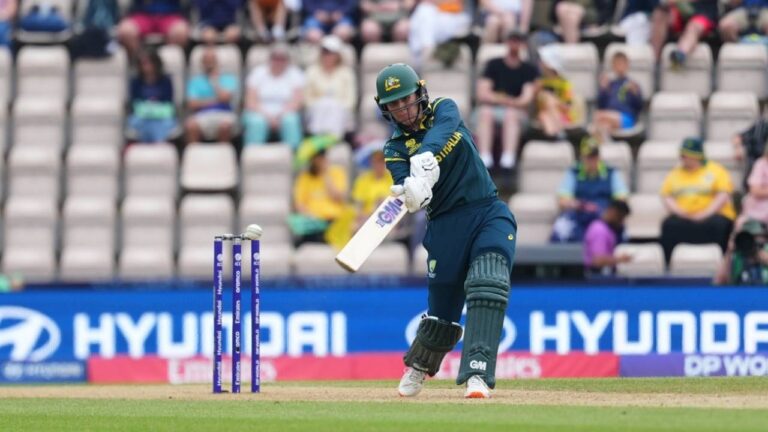
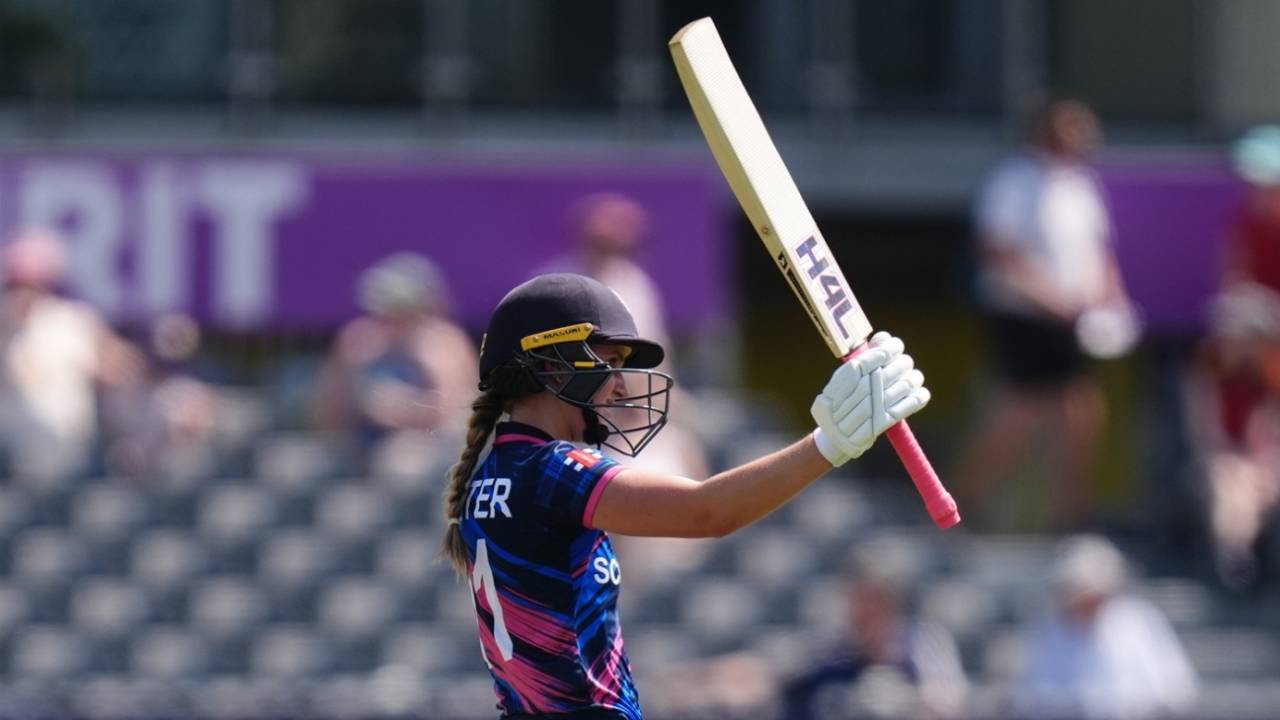
If someone had told Darcey Carter only a few weeks ago that she would emerge as a leading run-scorer at the Women’s T20 World Cup 2026, she might have been skeptical. Even more surprising is the fact that she has managed to surpass established stars like Smriti Mandhana on the run charts—even if she has played one additional innings to achieve the feat. However, for Carter, the individual accolades are secondary to the collective ambition of the Scottish squad.
The Weight of Responsibility
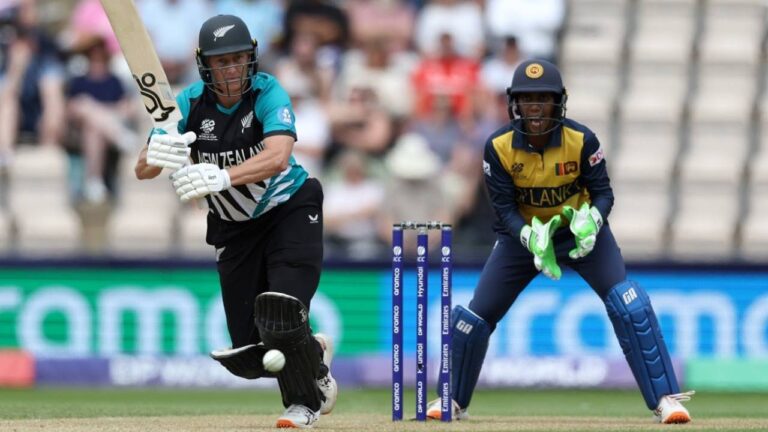
Speaking at a post-match press conference following Scotland’s six-wicket defeat to New Zealand in Bristol, Carter expressed a mixture of pride and frustration. While her personal form has been stellar, the inability of the team to seal victories has tempered her satisfaction. Carter noted, ‘It’s great to be able to score runs, but at the end of the day, if the team’s not winning, those runs are almost irrelevant for me personally. Maybe I could do a bit more to help the team get over the line, but it’s good to be in good form.’
Carter has been a revelation for Scotland, particularly in matches where the team’s marquee players, Kathryn and Sarah Bryce, have failed to fire. Her half-centuries against the West Indies and New Zealand have highlighted a newfound depth in the Scottish lineup, showcasing a competitive spirit that was noticeably absent during their debut appearance at the 2024 tournament.
Reflecting on Growth and Development
The 2024 T20 World Cup was a baptism of fire for the Scots, who failed to secure a win across four matches, often falling by significant margins. In contrast, the 2026 edition has seen a transformed team. Their victory against Ireland signaled a shift in trajectory, and their performances against heavyweights like New Zealand, England, and the West Indies have proven they are no longer just making up the numbers.
‘We’re quite proud of how we have held ourselves, and how we’re really giving good competition to these big teams,’ Carter said. ‘There’s probably a bit of disappointment that we’ve maybe not finished the games as well as we would have liked. But to be able to set the games up in that position is probably something we didn’t do when we played last time.’
The Call for More High-Level Competition
Despite their clear improvement, the limitations in Scotland’s schedule remain a glaring issue. In the two years leading up to the 2026 tournament, Scotland played 25 matches, securing 17 victories. While the success rate is impressive, the quality of opposition was often restricted, with Bangladesh being the only Full Member nation faced during that period.
Carter believes the path to the next level is clear: more matches against top-tier opponents. ‘We don’t play as much cricket as we would like,’ she explained. ‘Coming into these tournaments, it’s quite difficult to go straight up against the best opposition without much practice against higher-ranked teams. Our main goal would probably be to be able to get more cricket in against better ranked teams and get more experience.’
Building a Sustainable Future
While the majority of the Scottish squad plays in the English domestic circuit—providing them with exposure to elite competition—the lack of inclusion in the Women’s Championship remains a hurdle to full professionalization. As a young squad with limited international experience, the players are learning the nuances of high-pressure environments on the fly.
‘The more cricket you play, the more experience you get, and the better you are in those sorts of pressure situations,’ Carter added. ‘We’re still quite a young team. We’ve not all played a lot of international cricket.’ As the tournament moves into its final stages, Scotland will look to end their campaign on a high note when they take on Sri Lanka this Friday, hoping to turn those promising performances into a tangible victory.