Pandey: ‘Harmanpreet Kaur’s strike rate is a cause for concern’ for India

Analyzing the Middle-Order Struggle
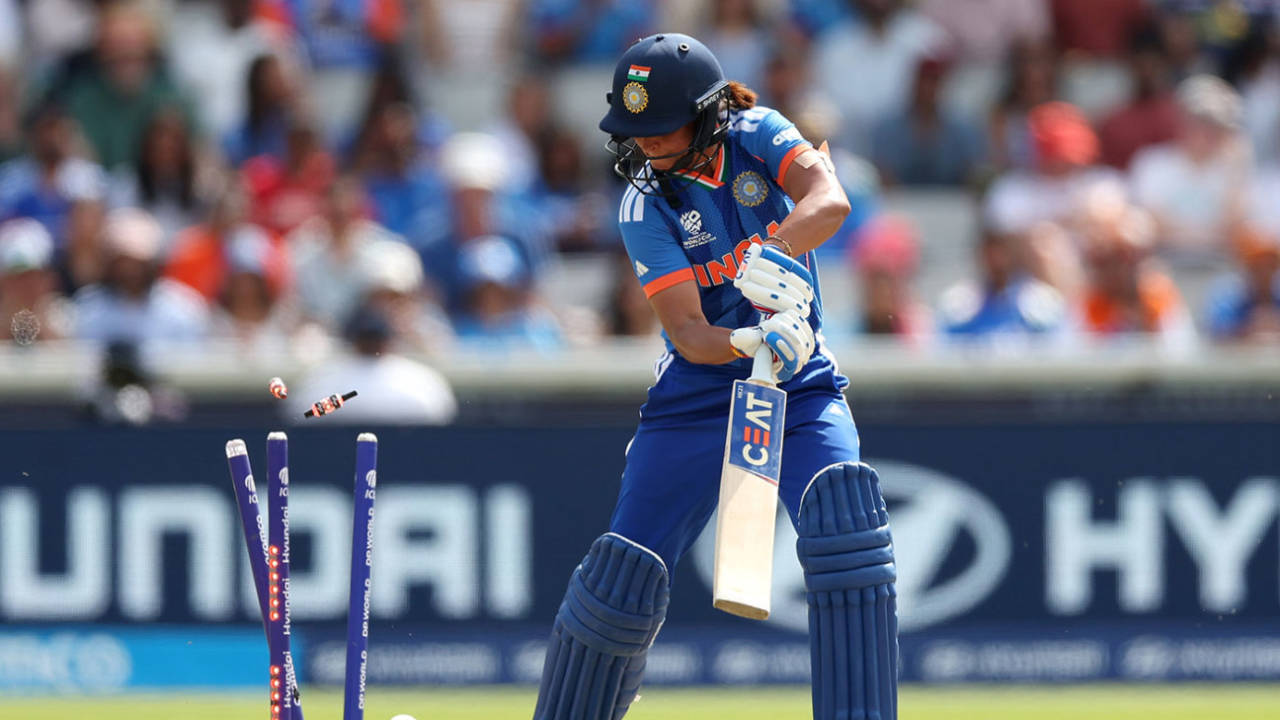
The T20 World Cup has presented a series of tactical hurdles for the Indian women’s cricket team. Amidst these challenges, the form and approach of captain Harmanpreet Kaur have come under intense scrutiny. Shikha Pandey, a seasoned campaigner, has been vocal about the technical and psychological aspects affecting the team’s batting lineup. According to Pandey: ‘Harmanpreet Kaur’s strike rate is a cause for concern’ for India’s middle order, particularly given the current high-stakes environment of the tournament.
Harmanpreet has accumulated 72 runs thus far in the competition, maintaining a strike rate of 109.09. Across three matches, the Indian skipper has rotated through positions four, five, and six. Pandey suggests that the constant shuffling and the pressure of rescuing the innings might be hindering the captain’s natural game.
The Case for Aggressive Intent
Speaking on JioStar’s Game Plan, Pandey emphasized that regardless of the batting order, the mindset is what dictates the output. ‘If a wicket falls early, we have seen Yastika Bhatia walk in, with Jemimah Rodrigues at number four. We might see Harman come in to bat at number four and Jemimah drop down to number five,’ Pandey noted. However, the crux of the issue, as Pandey identifies, is the urge to rebuild rather than capitalize.
Pandey added, ‘But wherever she bats, Harman should stop thinking about the wickets that have fallen and not try to rebuild because we have seen that when Harmanpreet Kaur is on song, she is a completely different player altogether. Once she gets set, we’ll see those straight drives and those shots over deep midwicket. She is excellent against spinners, so if she can just get set, it will be great for India.’
Tactical Flexibility vs. Role Clarity
The team’s batting display against South Africa highlighted a recurring issue: the inability to form substantial partnerships. The trio of Yastika Bhatia, Jemimah Rodrigues, and Harmanpreet managed only 51 runs across 49 balls. With the highest partnership of the innings reaching a mere 33 runs, the momentum often stagnated.
Former India batter Veda Krishnamurthy weighed in on the tactical reshuffling, particularly regarding Jemimah Rodrigues. Krishnamurthy expressed a preference for stability, stating, ‘For Jemimah, I’d still like to see her bat at number three. Just give her one role because it makes it a lot easier to prepare that way. The minute you say, ‘Be flexible,’ you don’t know whether to be ready from the first ball or from the third over. It kind of gets difficult for a batter.’
Krishnamurthy further noted the psychological toll of the team’s recent performances: ‘When there are a couple of low scores, you start thinking too much, and that is when a batter kind of goes into a shell. In T20 cricket, you need to maintain that momentum as much as possible.’ Moving forward, the team management faces the difficult task of balancing strategic flexibility with the individual confidence of their key batters.
Shree Charani’s Rise
While the batting concerns loom large, there have been bright spots in the Indian squad. Pandey was effusive in her praise for young left-arm spinner Shree Charani, who has become a standout performer with ten wickets in just three matches.
‘The way Shree Charani has bowled in tandem with Deepti Sharma has been great to watch,’ Pandey observed. ‘She has been varying her pace really well. The wicket she got of Annerie Dercksen was probably the best ball you would want to bowl as a left-arm spinner, pitching on off and middle and taking out the off stump. She has been phenomenal with her lengths while keeping the stumps in play all the time.’
The Road Ahead
As India prepares for their high-pressure clash against Bangladesh, the margin for error has effectively vanished. To secure a semi-final berth, the team likely needs to win both of their remaining group-stage matches while keeping a close eye on the net run rate. The tournament now moves into its most critical phase, where clarity in roles and a return to aggressive intent will be paramount for the Indian side to keep their championship dreams alive.