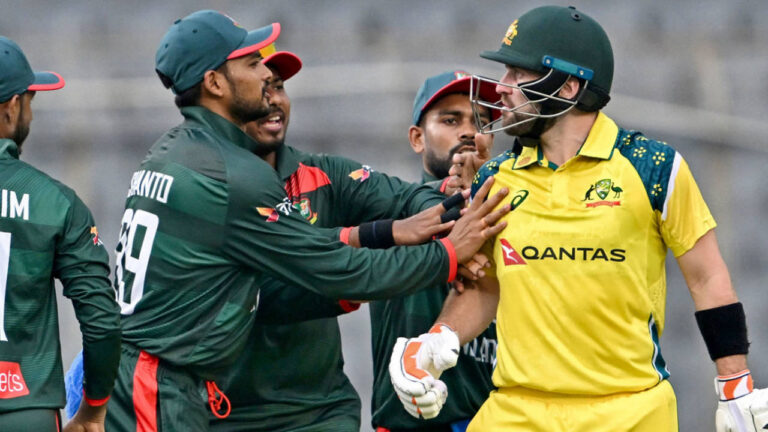
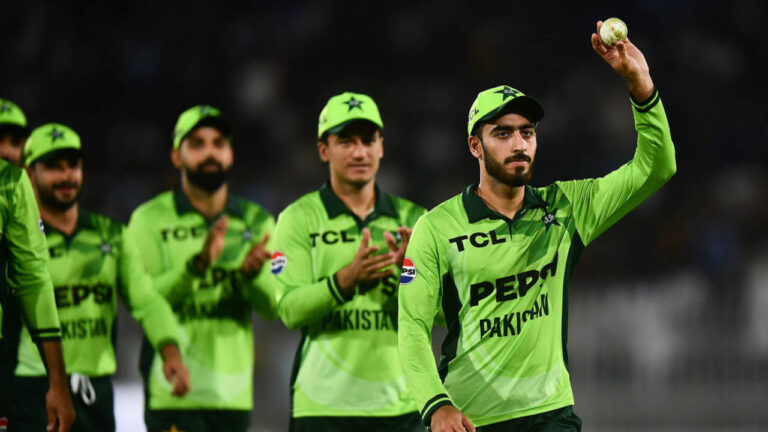
Battling Australia force series decider as questions grow for Pakistan
The Big Picture: Australia’s Grit Sets Up Decider
The current ODI series between Pakistan and Australia has been a throwback to a 1990s style of play, characterized by methodical scoring rates and challenging, slow surfaces. While the long-term strategic takeaways from this series remain open to debate, the Australian side—relying on a patched-up squad—can take immense pride in their ability to adapt. After being thoroughly outplayed in the opening match, their collective resilience has forced a series decider in Lahore.
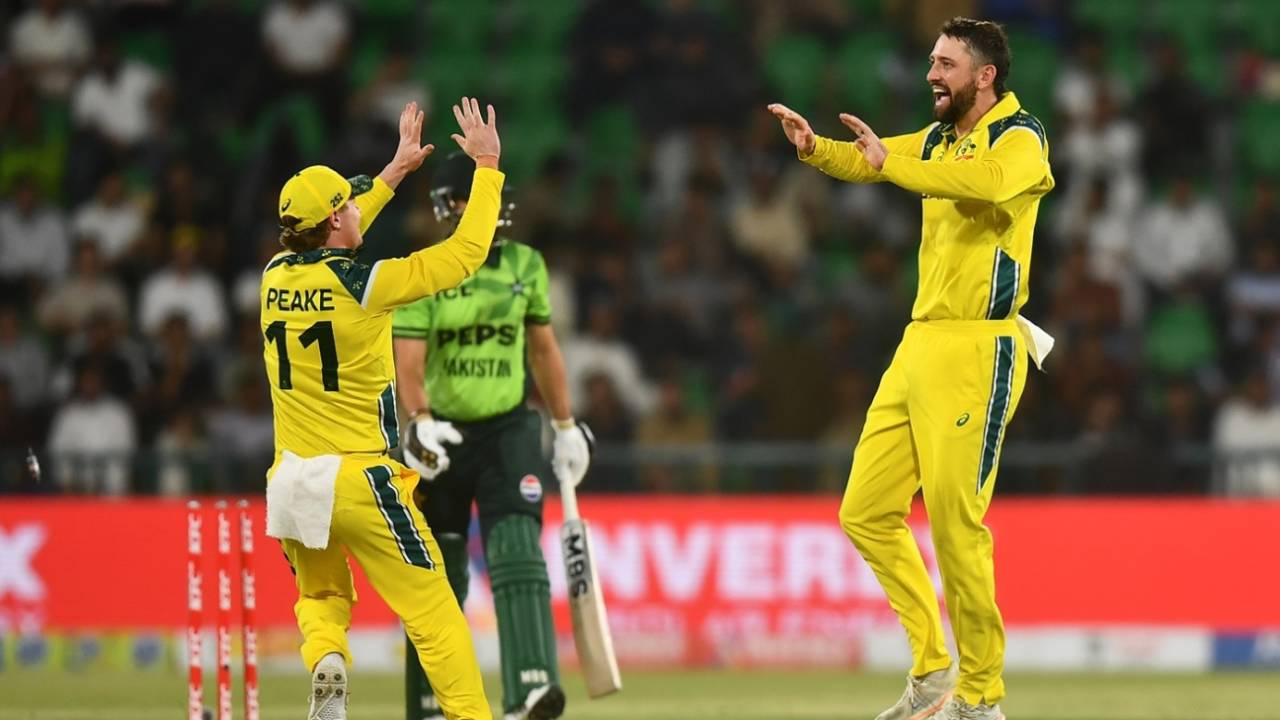
In the second match, a target of 231 proved to be more than sufficient. Josh Inglis and Cameron Green anchored the first half of the innings. For Green, it was a battle for rhythm, but his gritty half-century was a testament to his determination. Their stability provided the foundation for Matt Renshaw and 19-year-old Oli Peake to inject much-needed momentum late in the innings. Renshaw, in particular, continues to impress with his fluency, while Peake displayed maturity well beyond his years, refusing to panic during a slow start before launching vital late-game sixes.
Australia’s bowling attack was equally effective. Nathan Ellis produced a career-best performance, perfectly suited to the grippy nature of the track. The spin contingent also played a decisive role, with Matt Short’s three wickets standing out, most notably a clever delivery that beat the edge of Salman Agha’s bat.
Pakistan Under Pressure
Despite the promise shown by emerging talents like Arafat Minhas and Ghazi Ghori, Pakistan faces mounting uncertainty. Coach Mike Hesson’s defense of the home surfaces backfired, as the conditions failed to play in his side’s favor. Shadab Khan, while contributing a critical 71 runs to keep his team in the hunt, continues to struggle with the ball, leaving the team management with tough questions to answer.
With a recent series loss in Bangladesh already behind them, the pressure on Pakistan is palpable. Having only lost one home bilateral ODI series since 2015, a defeat in this Thursday’s decider would signal a concerning dip in their white-ball trajectory.
Spotlight: Farhan and Renshaw
Sahibzada Farhan, known for his T20 prowess, is finding the transition to the ODI format difficult. His inability to convert starts into substantial innings has left Pakistan’s top order vulnerable. Conversely, Matt Renshaw has been the most consistent performer of the series, demonstrating excellent placement and game awareness. There is growing talk that moving him up the order could be the key to unlocking even more potential.
Team Dynamics and The Path Forward
Pakistan is unlikely to make sweeping changes, as Shadab Khan’s all-round utility remains vital to their balance. However, calls for the inclusion of Sufyan Moqim are growing louder. For Australia, the focus remains on finding the right structure. Marnus Labuschagne is under significant pressure after a lean run of form, and while he may retain his spot, his position in the side is becoming increasingly precarious.
The conditions for the decider are expected to remain consistent—slow, spin-dominated, and hot. Unless Pakistan drastically alters their approach, the match will likely be another battle of attrition. As both teams look to the final game, historical trends suggest that victory will be hard-earned, given that Australia has not won an ODI series in Pakistan since 1998.
Key Stats to Watch
- Adam Zampa is on the verge of a milestone, requiring just three more wickets to become the seventh Australian man to reach 200 ODI dismissals.
- Nathan Ellis has proven to be a nightmare for Babar Azam, removing him three times in only five ODI encounters—the highest frequency of any bowler against the star batter in this format.
As Shaheen Afridi noted after the second match, the early loss of wickets and the failure to contain runs at the death were the primary catalysts for Pakistan’s defeat. Whether they can rectify these issues in the decider remains to be seen, but one thing is certain: this series has provided a fascinating, if unconventional, test of skill for both nations.