The Tactical Battle in Lahore
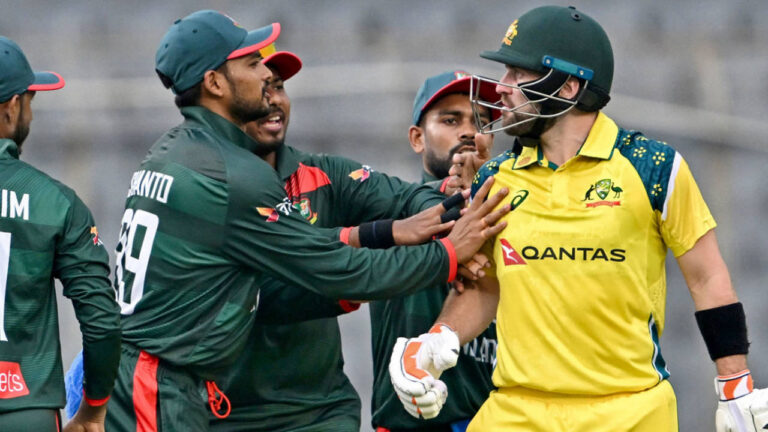
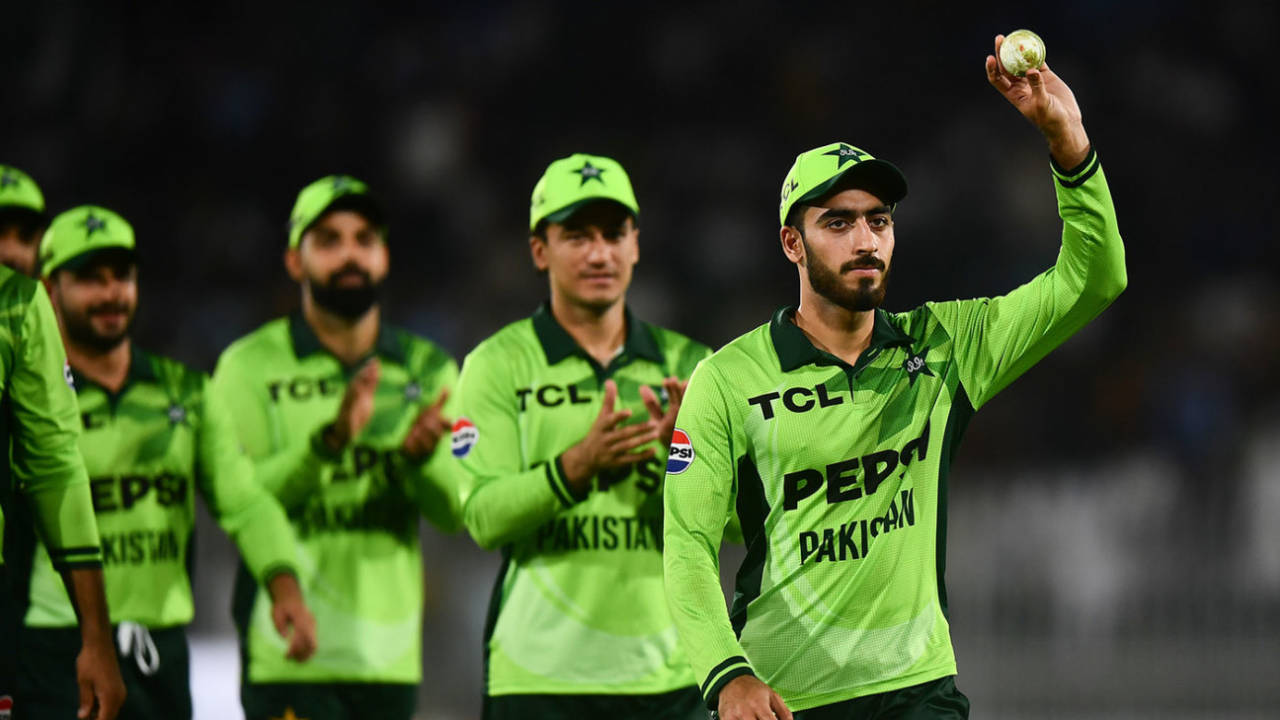
The first ODI of the series provided a stark reality check for the visiting Australian side. Facing a low, slow surface in Rawalpindi, the Australian batting order struggled to navigate the turning ball, ultimately falling to a disciplined Pakistan attack. The standout moment of the opening encounter was the performance of debutant Arafat Minhas, whose left-arm orthodox spin dismantled the top order. As the series moves to Lahore, the narrative shifts significantly. Pakistan chase series win, Australia try to combat spin, yet the venue change suggests that the conditions will favor the batters far more than the opening game.
Venue Expectations and Strategic Dilemmas
Gaddafi Stadium has historically been a haven for high scores. With recent history showing multiple totals exceeding 350, both captains will be acutely aware of the run-scoring potential. For Pakistan, the dilemma remains one of long-term planning versus short-term success. While securing a series win now is a major confidence booster, the team must decide if they should continue to demand spin-friendly surfaces or pivot to preparing for the pace and bounce expected at the upcoming World Cup in southern Africa.
Australia, meanwhile, are using this series as a laboratory. The goal is to provide match experience to a younger cohort of players who need to learn how to solve problems in diverse conditions. While the Rawalpindi test ended in disappointment, the progress shown by Matt Short, Matt Renshaw, Matt Kuhnemann, and Tanveer Sangha remains a bright spot for the management.
Under the Spotlight: Shadab and Labuschagne
Two players arrive in Lahore under immense pressure. Shadab Khan, back in the ODI fold after a three-year hiatus, failed to make an impact in the first game. With Abrar Ahmed and Salman Agha providing reliable alternatives, Shadab’s position is increasingly under threat unless he can contribute with both bat and ball. Similarly, Marnus Labuschagne finds himself in a precarious position. Struggling for form and rhythm, the middle-order anchor is currently failing to justify his role as the primary stabilizer in the Australian XI. With a string of low scores, his place in the long-term plans for the 2027 World Cup is now being scrutinized.
Team Composition and Expected Changes
Pakistan is likely to maintain a steady hand, potentially only swapping Shadab for the pace of Naseem Shah if the pitch report suggests a shift away from spin. Australia, by contrast, is expected to rotate their squad heavily. The inclusion of Liam Scott appears imminent, and there is curiosity surrounding the availability of Cooper Connolly. Furthermore, the fitness of Adam Zampa remains a point of interest; should he return from his neck issue, the team balance will likely shift away from the three-spinner strategy used in the opener.
Statistical Context
The numbers from Lahore paint a clear picture for the upcoming match:
- Since 2022, there have been 13 scores exceeding 300 in just 12 ODIs at this venue.
- The toss remains a critical factor, with the last five teams winning the toss in Lahore going on to win the match.
- Teams batting first have shown a slight edge, winning six of the last 11 encounters at the Gaddafi Stadium.
As temperatures are expected to climb to 38 degrees, the physical toll on the players will be high. While humidity might introduce the potential for dew, the primary expectation remains a high-scoring thriller. For Australia, the challenge is clear: they must adapt their technique to counter the spin threats Pakistan poses, or risk handing over the series before the final game even begins. For the hosts, the mission is simple—maintain the momentum and claim the series in front of their home crowd.