ECB Warns of 2027 Financial Losses: Why India Tours Are Cricket’s Gold Standard

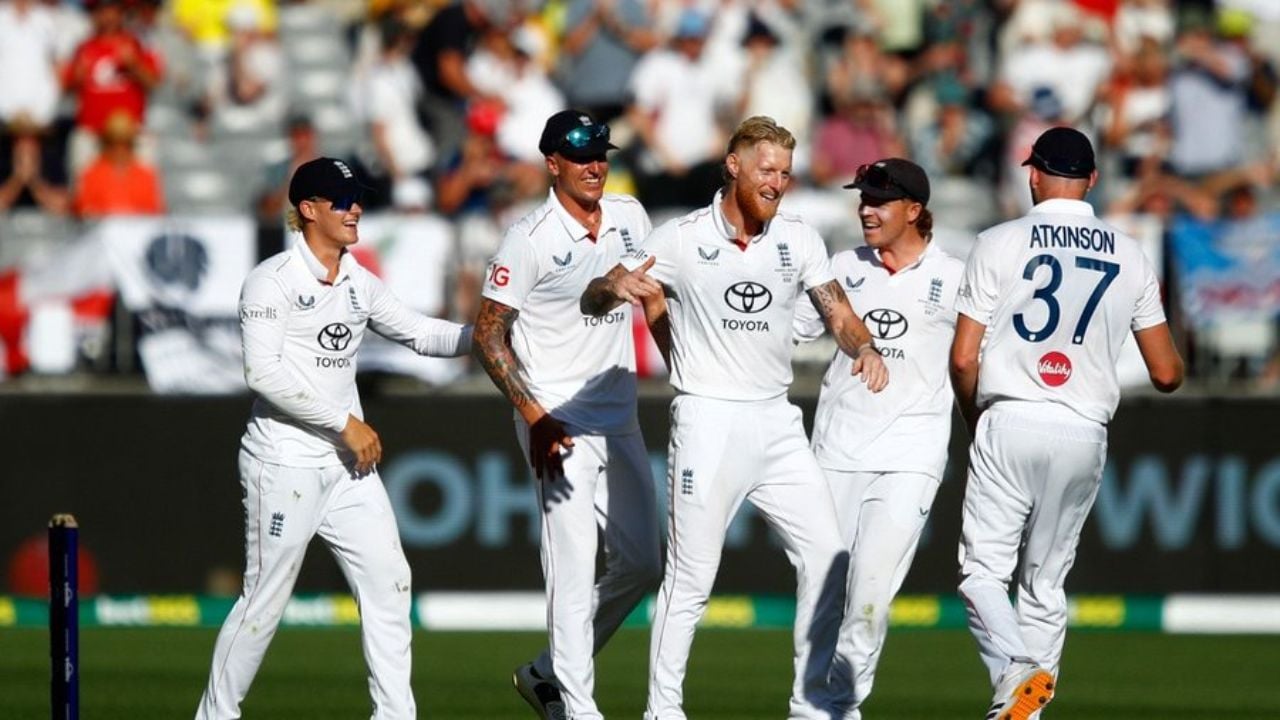
The Economic Reality of Modern Cricket
In the world of international cricket, few rivalries hold the historical weight and emotional intensity of the Ashes. For over a century, England versus Australia has been the cornerstone of the sport’s calendar. However, a recent financial disclosure from the England and Wales Cricket Board (ECB) has shed light on a shifting economic reality: when it comes to the board’s bottom line, India has become the undisputed kingmaker.
Despite the anticipation surrounding next year’s Ashes, the ECB has forecasted a ‘significant loss’ for the 2027 financial year. The reason is as simple as it is concerning for cricket traditionalists: the absence of a home series against the Indian national team. This revelation highlights an increasing trend where the financial health of even the most established cricket boards is becoming tethered to the massive broadcast revenues generated by India’s global fanbase.
The India Factor: A Financial Powerhouse
The ECB’s financial reports are transparent about the impact of the ‘India factor.’ For the financial year ended January 31, 2026, the board reported a profit of £12.6 million on ordinary activities, with a turnover reaching £89.4 million. The report explicitly attributes these robust figures to the lucrative overseas broadcast deals secured during India’s visits.
When India tours England, the commercial ecosystem flourishes. Increased ticketing revenue, high-demand broadcast rights, and heightened commercial sponsorship all contribute to a windfall that other bilateral series simply cannot replicate. The contrast is stark; while an Ashes series is a marquee event, the sheer scale of the Indian market ensures that a home series against India is now the primary driver of the ECB’s financial sustainability.
The 2027 Warning
The ECB’s report provides a cautionary tale for the future of international cricket scheduling. ‘Attention should be drawn to the fact that the ECB’s revenues are inherently cyclical,’ the board noted. ‘While this profile is advantageous in the current year and in 2026, it is expected to result in a significant loss position in the 2027 season when the England men’s team does not host a series against India.’
This reliance on a single nation for financial stability raises important questions about the long-term sustainability of the current international cricket model. As boards increasingly depend on the ‘India dividend,’ any gaps in the schedule involving India could lead to periods of fiscal instability, forcing boards to look elsewhere for income, such as the continued expansion of domestic franchise leagues like The Hundred.
A Busy Calendar Ahead
Away from the balance sheets, the ECB has a packed schedule to navigate. The men’s side, under the guidance of newly appointed selector Marcus North, is preparing for a challenging summer. Following a high-stakes three-match Test series against New Zealand beginning June 4, the focus will shift to India’s limited-overs tour, featuring five T20Is and three ODIs.
The summer will remain intense with the staging of The Hundred, followed by a three-match Test series against Pakistan and a limited-overs visit from Sri Lanka. The board is balancing these competitive commitments while managing the transition into a post-Ashes cycle where financial security is no longer guaranteed by tradition alone.
Focus on Women’s Cricket
The future of the game also lies with the England Women’s team, who have a significant year ahead. England is set to host the Women’s T20 World Cup in June, with the squad engaging in crucial preparation through T20I series against New Zealand and India. Following the World Cup, a historic Test match against India at Lord’s, coupled with an ODI series against Ireland, will round off a busy and developmental home summer.
Conclusion: The Changing Face of Cricket
The ECB’s recent financial forecast serves as a wake-up call to the cricketing world. While the Ashes remain the emotional heart of the sport for many, the financial heartbeat is clearly being driven by India. As the board looks toward 2027, the challenge will be to find ways to diversify revenue streams to ensure that the sport remains prosperous, regardless of which teams are scheduled to visit. In the modern game, success is measured not just in runs and wickets, but in the ability to balance tradition with the hard realities of the global market.