IPL 2026: How Modern Cricket’s Evolving Batting Trends Reshaped the Game


- The Rise of Aggression: A Historical Perspective on Strike Rates
- Test Cricket: Redefining Patience with Purposeful Aggression
- One Day Internationals: The Pursuit of Scoring Efficiency
- The T20 Revolution: IPL at the Forefront of Fearless Batting
- The Analytical Edge: Data-Driven Cricket and Enhanced Fan Engagement
- Pioneers and Mavericks: Architects of the Strike Rate Revolution
- The Role of Technology and Equipment in Accelerating the Game
- Adapting Audiences and the Future of Cricket Engagement
- The Enduring Legacy of the Strike Rate Revolution
Cricket, a sport steeped in tradition and rich history, has experienced an unparalleled metamorphosis over the last three decades. This profound evolution is perhaps most vividly encapsulated by the drastic shifts in batting strike rates. Historically a secondary metric, the strike rate – quantifying runs scored per 100 balls faced – has ascended to become a quintessential indicator of modern cricketing prowess and strategic intent. The journey from the meticulously patient batting approaches prevalent in the 1990s to the current era of relentless, aggressive power-hitting represents not just a change in technique but a fundamental redefinition of the game itself. This paradigm shift has profoundly impacted how enthusiasts engage with and perceive marquee tournaments like the Indian Premier League (IPL), where platforms such as Fairplay amplify the excitement, with every delivery and momentum swing becoming a critical, thrilling event.
The Rise of Aggression: A Historical Perspective on Strike Rates
A closer examination of historical data reveals the sheer scale of this transformation. In the nascent stages of limited-overs cricket during the 1980s, the average batting strike rate hovered around a conservative 66. This figure was indicative of a prevailing philosophy that emphasized stability, wicket preservation, and the accumulation of runs through singles and occasional boundaries. Fast forward to the 2010s, and this average had surged past 80, a clear testament to the dramatic recalibration of batting strategies. The earlier generations were often characterized by a cautious, build-the-innings approach, reserving aggressive strokes for later stages. In stark contrast, contemporary cricket places a premium on immediate acceleration, consistent boundary-hitting, and an unwavering attacking intent from the very first ball, irrespective of the format.
Test Cricket: Redefining Patience with Purposeful Aggression
While the impact of accelerated scoring is most visible in shorter formats, the most surprising and arguably significant shift has occurred within the venerated realm of Test cricket. Traditionally the bastion of stoic defense and protracted battles, Test matches now exhibit a markedly faster scoring tempo. The old adage of ‘patience is a virtue’ still holds weight, but it has been recontextualized; modern Test batters seamlessly integrate traditional defensive solidity with an expanded repertoire of aggressive stroke play. This willingness to undertake calculated risks is not merely for entertainment but is strategically employed to maintain momentum, accelerate scoring, and actively engineer winning opportunities.
The tactical landscape of Test cricket has been fundamentally altered. Average strike rates that once languished in the low 40s have now comfortably breached the 50s, signalling a profound philosophical change. Teams are no longer content with simply surviving arduous sessions; instead, there is a concerted effort to dictate the pace of the game, control momentum, and proactively seek declarations or set challenging targets. This dynamic shift has had a tangible effect on match outcomes, leading to a significant increase in results and a corresponding decrease in drawn games. Consequently, this more vibrant and proactive brand of Test cricket has captivated broader audiences, making the longest format more engaging and dynamic than ever before.
One Day Internationals: The Pursuit of Scoring Efficiency
One Day International (ODI) cricket has undergone a more gradual yet equally profound evolution, transforming into a format meticulously designed for scoring efficiency and continuous pressure. Two decades ago, the average strike rates in ODIs typically resided in the low 70s, reflecting a strategy centered on building partnerships and accumulating runs steadily before a late-innings surge. Today, it is not uncommon for many top international teams to operate with an average strike rate well above 90, illustrating a remarkable shift in tactical approach.
The most discernible change in ODI batting has manifested in the middle overs (overs 11-40). Where previous generations often conserved wickets and accumulated singles during this phase, patiently setting the stage for a dramatic final-over assault, contemporary teams adopt a far more aggressive stance. Modern sides now actively seek boundaries and maintain a high scoring rate throughout the entire innings, effectively eliminating any ‘dormant’ periods. This sustained aggression keeps opposing bowlers and captains under constant duress from the very first ball to the last, fundamentally reshaping not only batting methodologies but also influencing critical aspects such as team selection, batting order construction, and sophisticated chase planning strategies.
The T20 Revolution: IPL at the Forefront of Fearless Batting
The advent of Twenty20 (T20) cricket, particularly the meteoric rise and global influence of the Indian Premier League (IPL), has indisputably served as the primary catalyst for the most radical transformation in batting history. Within this exhilarating format, strike rates exceeding 150 are now commonplace, and innovative, often audacious, shots have seamlessly integrated into the lexicon of everyday cricketing technique. T20 cricket champions a philosophy of fearless batting, where the immediate priority is the relentless pursuit of boundaries and rapid scoring, often superseding the traditional emphasis on building a prolonged innings.
Core strategic concepts such as ‘powerplay domination’ and ‘death-over acceleration’ have become central tenets of modern cricket tactics, meticulously studied and executed by teams globally. The IPL, with its high-stakes environment, world-class talent, and innovative coaching, has been instrumental in refining and popularizing these aggressive methodologies. The tournament’s dynamic nature means that the tide of a match can irrevocably turn within a mere handful of overs, compelling fans and analysts alike to meticulously track key performance indicators such as individual strike rates, powerplay scoring efficiency, and a team’s prowess in closing out innings effectively. The IPL not only showcases but actively propagates the cutting edge of contemporary batting.
The Analytical Edge: Data-Driven Cricket and Enhanced Fan Engagement
The modern cricketing landscape is no longer solely dictated by raw instinct or individual flair; it is increasingly shaped by the incisive power of data analytics. Teams, support staff, and individual players now meticulously leverage sophisticated data analysis to dissect every facet of the game. This includes comprehensive studies of preferred scoring zones for batters, optimal bowling matchups against specific opponents, and emergent batting trends across different conditions and formats. This analytical rigor informs everything from strategic game plans to player selection, providing a significant competitive edge.
This profound analytical shift has also dramatically recalibrated the nature of fan engagement. The contemporary cricket enthusiast is far more sophisticated and data-aware. Before any major fixture, particularly in high-profile tournaments like the IPL 2026, fans delve into detailed analyses of player form, historical venue records, head-to-head statistics, and intricate strike rate patterns. The burgeoning ecosystem of digital platforms dedicated to cricket engagement is a direct response to this demand, offering fans real-time statistics, deeper analytical insights, and a more immersive, interactive experience with live match momentum. This evolution signifies a move beyond passive viewership towards an active, informed participation in the cricketing narrative.
Pioneers and Mavericks: Architects of the Strike Rate Revolution
The evolution of batting strike rates has not been an organic, leaderless progression; it has been actively championed and accelerated by a select group of visionary players whose innovative and fearless approaches transcended the norms of their eras. Sir Viv Richards, a true pioneer, embodied aggressive cricket decades before it became a mainstream philosophy. His audacious stroke play and unyielding intent set a formidable benchmark for attacking batting, challenging conventional wisdom at a time when caution often prevailed.
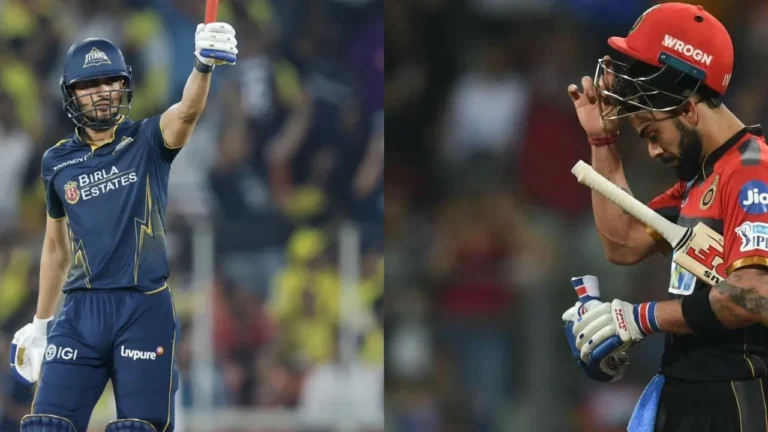
In a more contemporary context, AB de Villiers redefined the boundaries of modern batting with his revolutionary ‘360-degree’ stroke play. His ability to access every part of the ground, combined with incredible power and improvisation, established new benchmarks for scoring rapidly and under pressure. Today, players such as Virat Kohli and Jos Buttler exemplify the pinnacle of modern batting, seamlessly blending remarkable consistency and classical technique with explosive, game-changing scoring, particularly in the crucible of high-stakes encounters like those anticipated in IPL 2026. Their ability to adapt, innovate, and perform under immense scrutiny continues to inspire new generations of cricketers.
The Role of Technology and Equipment in Accelerating the Game
Beyond strategic shifts and player innovation, advancements in technology and cricket equipment have played a crucial, albeit often understated, role in facilitating faster scoring rates. The evolution of cricketing gear, including lightweight yet powerful bats, enhanced protective equipment, and specialized training methodologies, has instilled greater confidence in batters. This allows them to approach the crease with a more aggressive mindset, taking on bowlers with reduced apprehension about personal safety or the physical demands of high-intensity hitting.
Furthermore, sophisticated analytical tools have become indispensable. Video analysis systems enable detailed scrutiny of opponents’ bowling actions, field placements, and past performance patterns, allowing teams to formulate highly specific and effective batting plans. Performance tracking devices provide real-time data on a player’s physical output and technical execution, allowing for continuous refinement. Even institutional technologies like the Decision Review System (DRS) have subtly influenced batting confidence; knowing that marginal decisions can be overturned encourages batters to play with more freedom and attacking intent, rather than succumbing to the pressure of potentially dubious umpiring calls.
Adapting Audiences and the Future of Cricket Engagement
The modern IPL audience has not merely observed these transformations; it has actively adapted and evolved alongside them, now harboring heightened expectations for the game. Contemporary fans anticipate not just competitive cricket, but fast-paced scoring, relentless action, and an immersive, real-time match engagement experience. This demand has spurred the growth of digital platforms, with applications like Fairplay becoming integral to how cricket enthusiasts consume the sport. These platforms provide unparalleled access to live IPL excitement, fostering deeper match interaction and facilitating fast-paced engagement throughout the duration of major tournaments, thereby enriching the spectator experience significantly.
Ultimately, the remarkable evolution of batting strike rates serves as a powerful testament to cricket’s enduring capacity for adaptation. The sport has masterfully balanced its historical integrity with the imperative to meet contemporary entertainment demands, all while preserving its intricate competitive depth. From the calculated aggression now prevalent in Test matches, through the tactical innovations seen in One Day Internationals, to the explosive, boundary-laden scoring that defines T20 cricket, the fundamental tempo of batting has undergone a dramatic transformation across every single format. This overarching shift underscores a sport that is continuously refining its boundaries.
The Enduring Legacy of the Strike Rate Revolution
In conclusion, strike rates transcend their numerical value; they are now potent symbols of intent, critical indicators of momentum, and clear reflections of the philosophical shifts that define modern cricket. The fascinating journey from the predominantly cautious, wicket-preserving batting styles of the 1990s to the current era of audacious, fearless hitting, particularly exemplified within the dynamic ecosystem of the IPL, narrates a compelling story of a sport in constant flux. This continuous evolution ensures that cricket remains vibrant, relevant, and, crucially, keeps its ever-growing global fanbase more captivated and engaged than at any point in its storied history. As we look towards future seasons, including IPL 2026, the trajectory of batting strike rates will undoubtedly continue to be a defining narrative, shaping how the game is played and experienced.