Kamran Akmal Slams Pakistan Team After Humiliating Test Whitewash to Bangladesh

A Damning Verdict on Pakistan Cricket
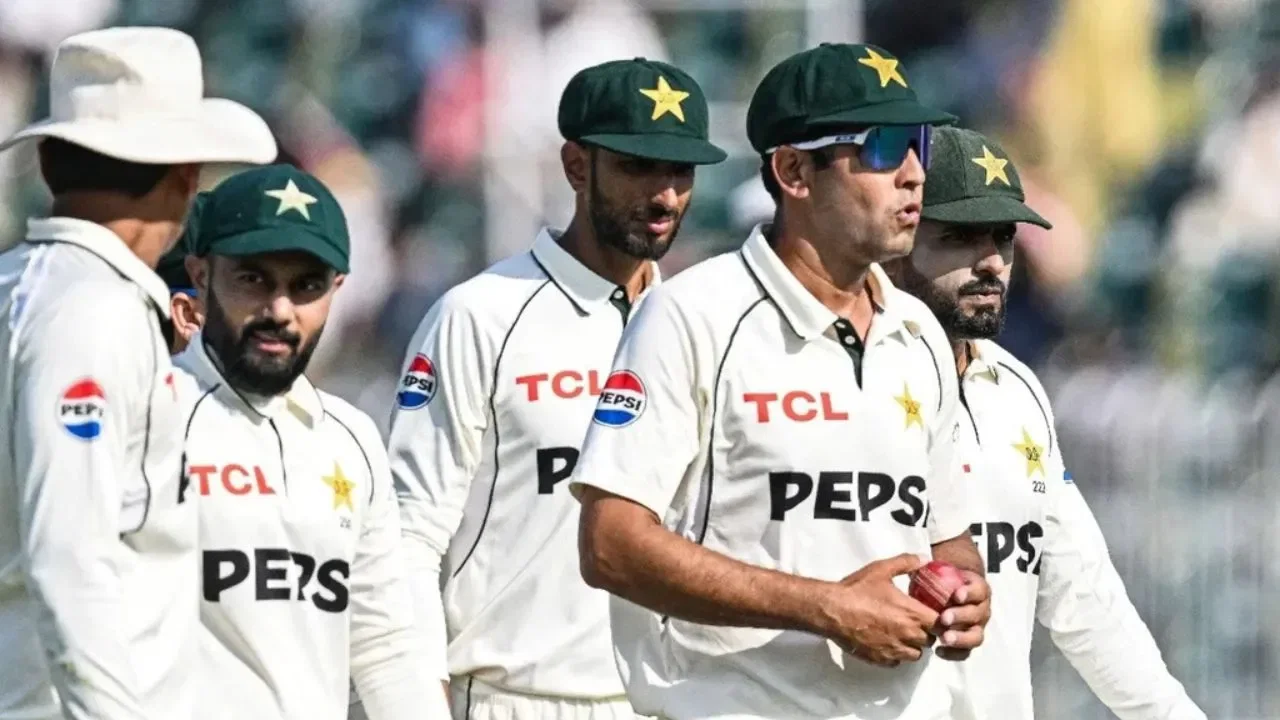
The cricketing landscape in Pakistan is reeling after a humiliating 0-2 Test series whitewash at the hands of Bangladesh. The historic defeat, which saw the Men in Green suffer consecutive losses in Mirpur and Sylhet, has sparked widespread outrage. Leading the chorus of criticism is former wicketkeeper Kamran Akmal, who did not mince his words when dissecting the team’s catastrophic performance.
Speaking on the ‘Game Plan’ YouTube channel, Akmal expressed his utter disappointment, suggesting that the current state of Pakistan cricket offers nothing but shame. He pointed to a toxic combination of administrative ego, a lack of accountability, and a worrying decline in player commitment as the primary drivers of this sporting collapse.
The Series Debacle
The series, which concluded with a 78-run defeat in the second Test, highlighted significant flaws in Pakistan’s approach. Despite early promise in the second match—where Pakistan reduced Bangladesh to 116/6 on the first day—they allowed Litton Das to stage a stunning rescue mission with a magnificent century. Pakistan’s own batting displays were inconsistent, and despite a notable 94 from Mohammad Rizwan and fifties from Shan Masood and Salman Ali Agha, they were unable to overcome the disciplined bowling attack led by Taijul Islam.
The statistics paint a grim picture: Pakistan has now lost seven consecutive away Test matches. With this result, they have plummeted to 8th place in the World Test Championship (WTC) standings, effectively ending any hopes of qualifying for the top positions in the current cycle.
Akmal’s Critique: Ego, Merit, and Mentality
Kamran Akmal was quick to distinguish between the performance of the two sides. While he offered congratulations to Bangladesh for maintaining their basics despite significant domestic turmoil, he turned his focus to the internal rot within the Pakistan setup. “When non-cricketers have their ego involved, cricket will not improve,” Akmal stated. He argued that the current selection processes, which he described as ‘parachute’ appointments, prioritize personal affiliations over genuine skill and merit.
Furthermore, Akmal highlighted a problematic trend regarding player fitness and availability. He noted the irony that players seem to face no fitness issues during the Pakistan Super League (PSL) but frequently report injuries when domestic red-ball cricket commitments arise. “When this is the mentality, how will cricket improve?” he questioned, emphasizing that the current culture rewards mediocrity while punishing talented domestic players with overly stringent and impractical fitness metrics.
Comparing Paths: The Lessons from India
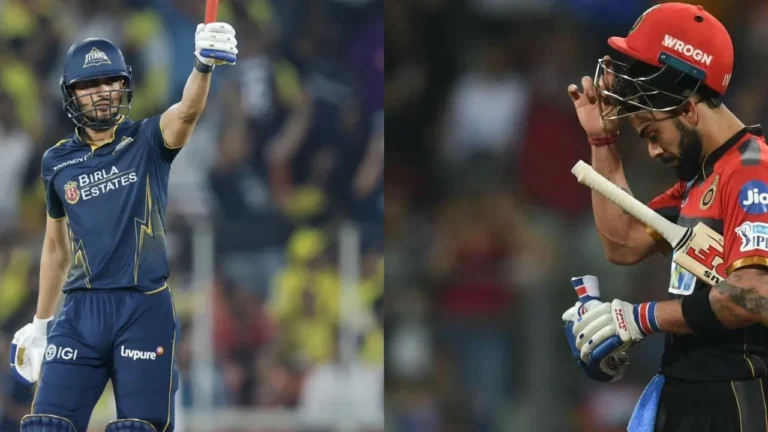
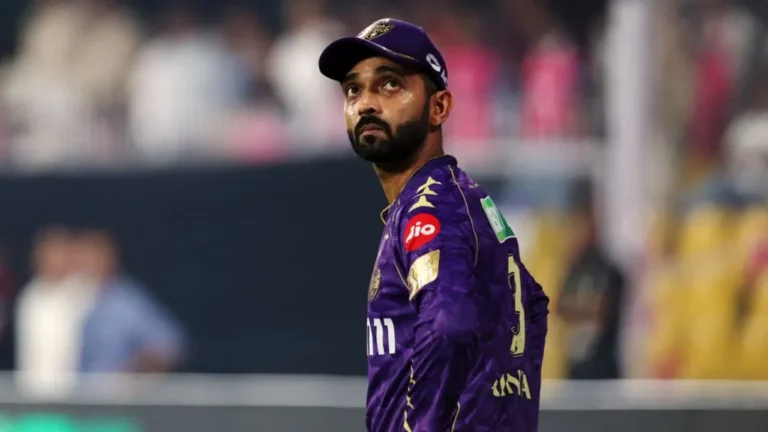
In a direct comparison to the Indian cricket structure, Akmal lauded the way the Board of Control for Cricket in India (BCCI) manages its senior stars. He cited the instances of veterans like Cheteshwar Pujara, Ajinkya Rahane, and Shikhar Dhawan being dropped once their performances dipped. For Akmal, this represents a ‘team-first’ philosophy that is currently lacking in Pakistan. “Here, they bring friendships onto the field,” he lamented, suggesting that the lack of professional detachment is hindering the team’s growth.
The Long Road Ahead
When asked for a solution, Akmal provided a bleak forecast. He does not anticipate any significant improvement in the next four to five years unless radical, uncomfortable decisions are made at the highest levels of management. As Pakistan heads into challenging away series against the West Indies and England later this year, the pressure on the team to rectify their form is immense. Without a total overhaul of the criteria for performance and a renewed focus on accountability, the downward trend appears set to continue.
The fall from grace is steep, and for the fans of Pakistan cricket, the path back to the top seems long and arduous. Whether the cricketing board listens to the warnings of veterans like Akmal remains to be seen, but one thing is certain: the current status quo is unsustainable for a nation with such a rich cricketing heritage.