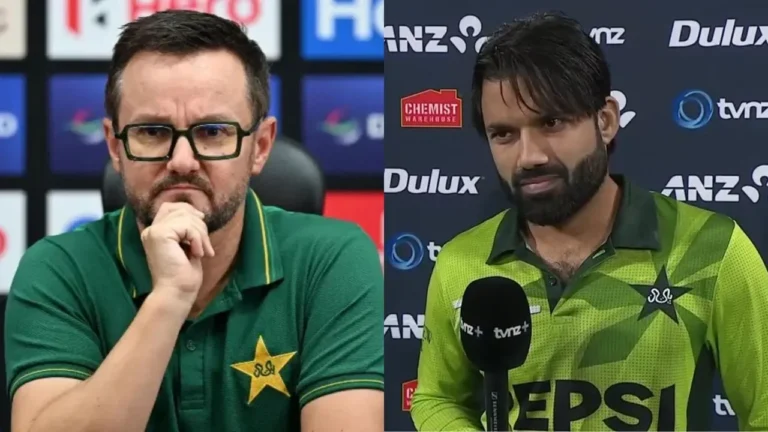
Mohammed Shami Excluded from India Squads: Ajit Agarkar Explains Selection Rationale
The Squad Announcement and Notable Omissions
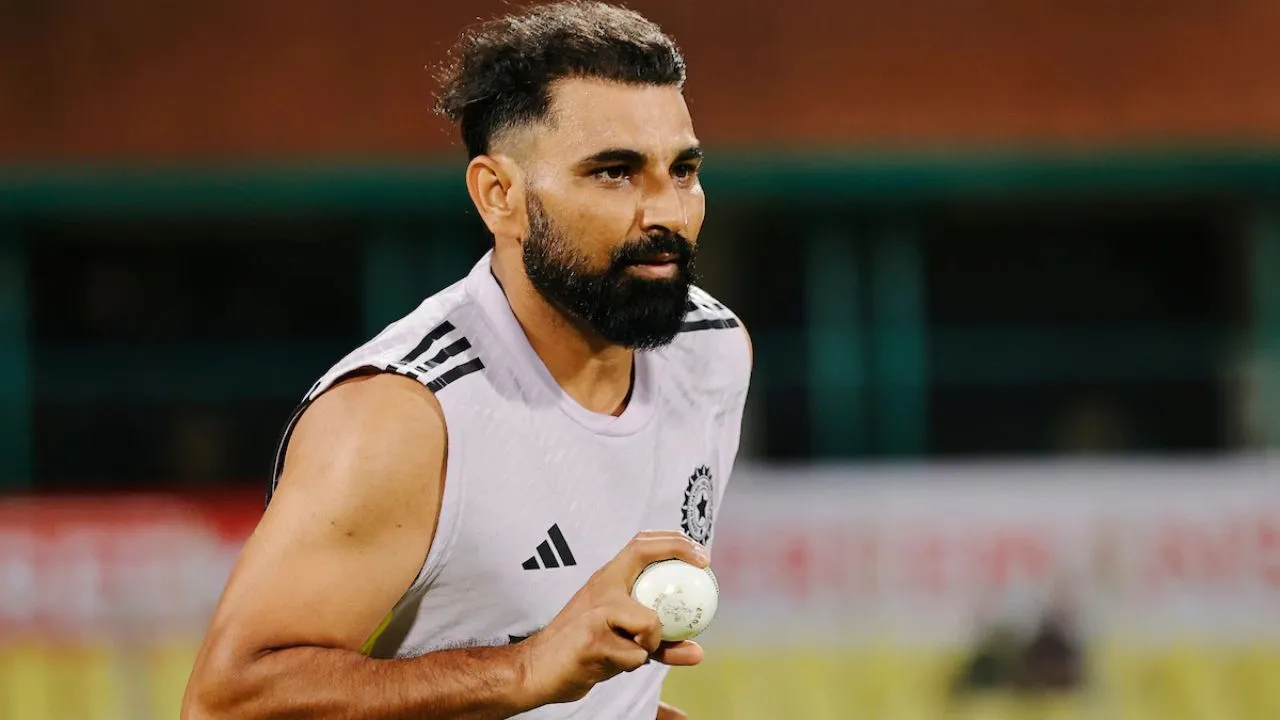
The landscape of Indian cricket continues to evolve as the Board of Control for Cricket in India (BCCI) recently unveiled its squad for the highly anticipated Afghanistan Test and ODI series. Following a late-afternoon announcement by chief selector Ajit Agarkar and BCCI secretary Devajit Saikia, the team composition sparked immediate discussion regarding the exclusion of several prominent figures. Among the most discussed absences was that of veteran fast bowler Mohammed Shami, who failed to secure a spot in either the Test or the ODI rosters.
Understanding the Selection Rationale
In the wake of the squad reveal, concerns naturally arose regarding the future of senior players in the national setup. Addressing the media directly, Ajit Agarkar provided a candid assessment of the selection process. The chief selector emphasized that the decision regarding Shami was not born out of a lack of skill, but rather a strategic assessment of his current physical readiness for the rigors of different formats.
Agarkar clarified that the selection committee’s current evaluation indicates that Shami is not yet prepared for the demands of Test cricket or the 50-over ODI format. These formats require a specific level of sustained physical conditioning that the veteran pacer is currently navigating back toward.
The Focus on T20 Cricket
Perhaps the most significant takeaway from the press interaction was the differentiation made between white-ball and red-ball cricket. According to Agarkar, the feedback received regarding Shami suggests that his current training and fitness levels are aligned specifically with the intensity of T20 cricket.
“We have been told that at this point, T20 cricket is what he is ready for, so there was no discussion regarding Mohammed Shami [for the longer formats],” Ajit Agarkar stated during the briefing. This statement marks a clear distinction in how the selectors are viewing the workload management of senior players as they look to build squads for specific series requirements.
The Road Ahead for the Indian Pace Attack
The exclusion of a high-impact player like Shami naturally shifts the spotlight onto the younger generation of pacers and the rotation policy currently employed by the BCCI. As the Indian cricket team looks toward the future, the integration of new talent alongside experienced campaigners remains a delicate balancing act for the selection committee.
For fans and pundits alike, the news serves as a reminder of the brutal reality of professional sports, where fitness metrics and format-specific readiness often dictate selection outcomes more than past reputation alone. While the absence of a seasoned campaigner is felt, the team management appears committed to a policy of ensuring that players are at peak physical capacity before being drafted into the demanding schedules of international Test and ODI cricket.
As the Afghanistan series approaches, all eyes will be on how the selected fast-bowling unit performs and whether the current strategy of format-specific specialization yields the desired results for the Indian National Cricket Team.
Conclusion
While Mohammed Shami remains a vital asset in the T20 landscape, his temporary exit from the Test and ODI squads reflects the high standards of fitness required for sustained performance at the top level. The selection committee’s transparency regarding these decisions underscores a rigorous approach to team building, ensuring that every player included is fully prepared to deliver on the biggest stages of world cricket.