Pakistan’s DRS Blunders: Two Missed Opportunities Against Bangladesh

A Day of Missed Opportunities for Pakistan
In the high-stakes environment of international Test cricket, precision is paramount. Unfortunately for the Pakistan cricket team, their performance during the ongoing second Test match against Bangladesh at the Sylhet International Cricket Stadium was defined less by their bowling brilliance and more by a series of costly tactical errors. While the visitors initially dominated with the ball, two significant Decision Review System (DRS) blunders left both the team and fans questioning their game awareness at the highest level.
An Ideal Start Followed by Tactical Lapses
Pakistan entered the match with clear intent after winning the toss and electing to bowl first under conditions that favored their pace attack. The strategy paid immediate dividends as Mohammad Abbas struck on just the second ball of the game, dismissing Mahmudul Hasan Joy for a duck. This early breakthrough set a positive tone, and despite a brief resistance from Tanzid Hasan Tamim and Mominul Haque, Pakistan managed to keep the pressure on by picking up wickets at regular intervals.
By the time Bangladesh were reduced to 116/6, Pakistan appeared to have a stranglehold on the match. However, the narrative shifted significantly due to the team’s failure to utilize the DRS effectively, allowing Bangladesh to claw their way back into the contest.
The First DRS Blunder: A Costly Hesitation
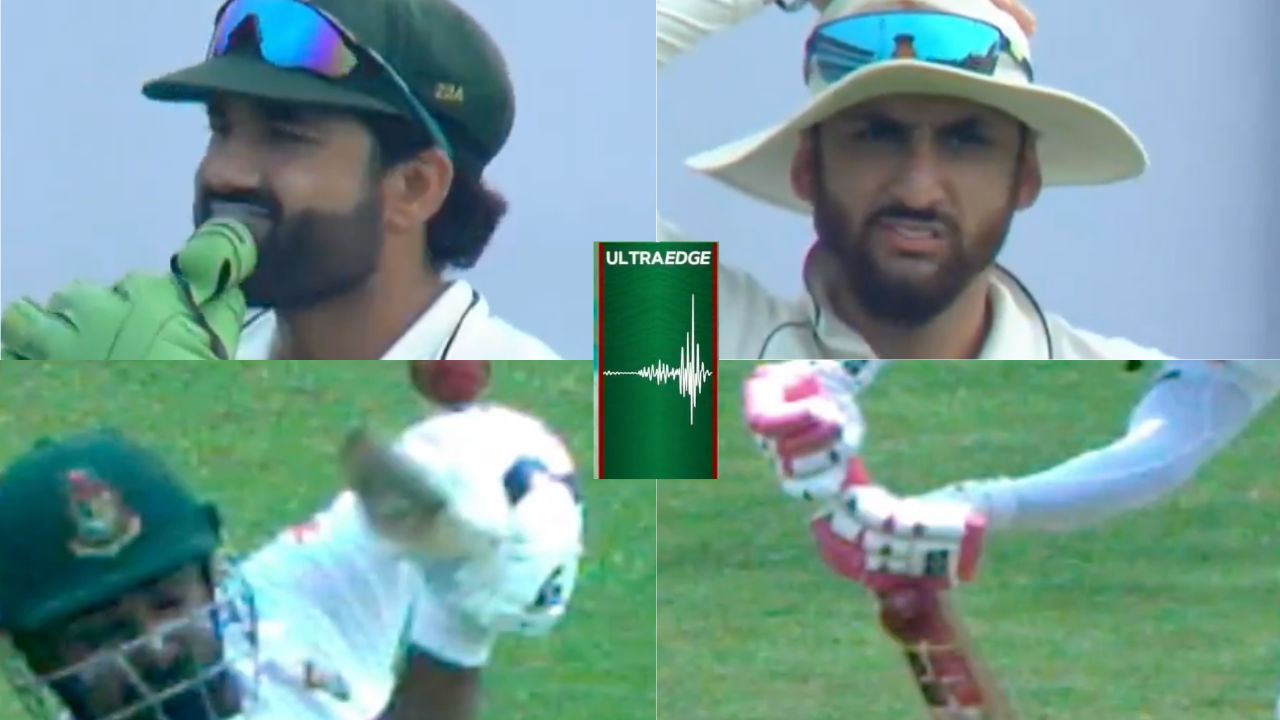
The first moment of contention occurred shortly after lunch in the 28th over. Sajid Khan bowled a delivery drifting down the leg side, which Mushfiqur Rahim attempted to glance but missed. Mohammad Rizwan gathered the ball and appealed for a caught behind. Despite Sajid Khan’s confidence, Rizwan remained hesitant, and skipper Shan Masood ultimately decided against challenging the umpire’s not-out decision.
The subsequent replay on the big screen provided a painful realization for the fielding side. UltraEdge clearly showed a deflection off Mushfiqur Rahim’s gloves, confirming that Pakistan had missed a golden opportunity to remove an experienced batter who would go on to be a thorn in their side.
Repeating the Mistake
Incredibly, Pakistan failed to learn from the first error. During the 61st over, a nearly identical incident occurred involving Litton Das. Khurram Shahzad delivered a ball outside the off stump, which Das attempted to play. Once again, the on-field appeal was muted, and Shan Masood declined to review. The replay again displayed a spike on the UltraEdge technology, marking the second time in the day that a clear wicket-taking opportunity was ignored. The expressions of disbelief from players like Salman Ali Agha and Mohammad Rizwan highlighted the growing frustration within the squad.
Litton Das Leads the Bangladesh Fightback
While Pakistan’s errors were damaging, full credit must be given to Litton Das. With the team reeling at 116/6, Das staged a remarkable turnaround. His counter-attacking knock of 126 runs off just 159 deliveries transformed the game, propelling Bangladesh to a respectable total of 278 all out. This innings proved exactly why every DRS decision, no matter how minor it may seem in the moment, holds massive weight in Test cricket.
Reflecting on Decision-Making Under Pressure
At this level of the sport, the margin for error is razor-thin. For a team like Pakistan, which has faced intense scrutiny regarding their consistency and leadership, these lapses in judgment regarding the review system are particularly concerning. While the bowling unit showed flashes of brilliance through the efforts of Mohammad Abbas and Khurram Shahzad, the inability to trust their instincts—or the bowlers’ appeals—on the field suggests a need for better communication between the wicketkeeper, the bowler, and the captain.
As the series progresses, the Pakistan management will undoubtedly look to address these tactical lapses. In a format as grueling and precise as Test cricket, matches are often decided by the smallest margins. By failing to capitalize on clear dismissals, Pakistan inadvertently allowed Bangladesh to find their footing, turning a dominant position into a battle for parity. Moving forward, the team will need to refine their DRS protocols to ensure that such costly mistakes do not become a recurring theme in their campaign.