Shubman Gill vs Rishabh Pant: Addressing Vice-Captaincy Controversy
The Shifting Tides of Indian Cricket Leadership
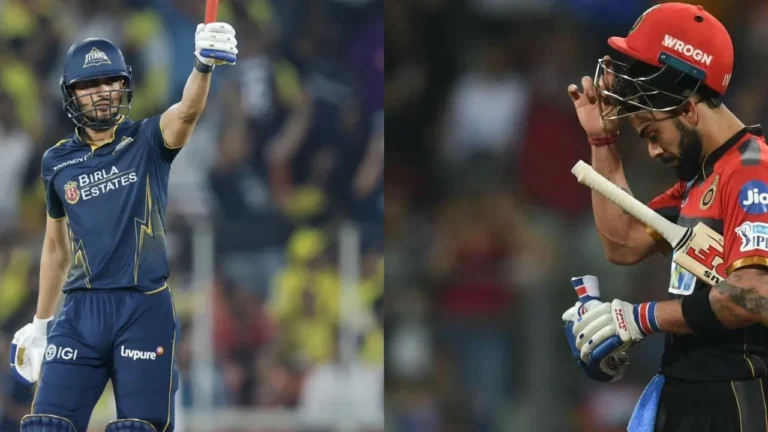
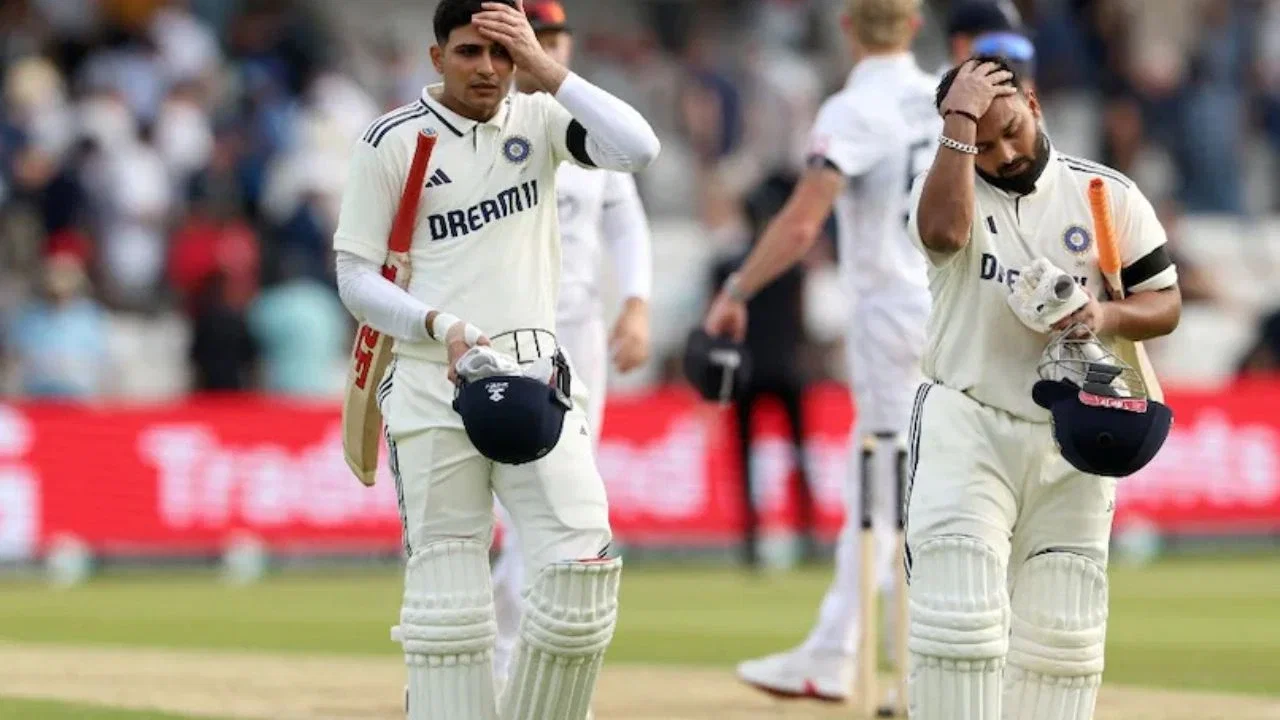
In the high-stakes world of international cricket, leadership transitions are rarely quiet affairs. Recently, the Indian cricket team has found itself at the center of intense speculation following the announcement of the squad for the upcoming series against Afghanistan. With the selectors naming Shubman Gill as the skipper and KL Rahul stepping in as the new Test vice-captain, replacing Rishabh Pant, the rumor mill has gone into overdrive.
Separating Conspiracy from Reality
Whispers of internal friction have begun to circulate, with some observers suggesting that Shubman Gill may have orchestrated a move to marginalize Rishabh Pant to solidify his own path toward long-term captaincy. These theories gained traction on social media, exacerbated significantly when Rishabh Pant’s sister engaged with content online that alluded to political maneuverings within the team. Such incidents, while fueling fan debates, often highlight the immense pressure placed on modern cricketers, where even a simple social media like can be dissected by millions.
However, it is essential to look at the professional trajectory of both players. Shubman Gill’s tenure as the red-ball skipper has been largely successful. Under his leadership, India secured a hard-fought series tie against England and triumphed in a WTC series against the West Indies on home soil. His tactical approach has been praised by many, establishing him as a central figure in the team’s future.
Evaluating Performance and Leadership Credentials
While some critics insist that the change in vice-captaincy is a result of calculated politics, a more objective assessment points toward performance-based decision-making. Rishabh Pant, despite his undoubted talent, has struggled to translate his potential into successful leadership during his stints at the helm. Notably, during the series against South Africa—where he stepped in as captain due to an injury to Gill—the Indian team suffered a disappointing home series defeat, ending a long-standing streak of dominance.
This performance slump has cast doubt on India’s prospects for the WTC final 2027, making it clear why the selectors sought a more seasoned leadership hand. KL Rahul, who demonstrated tactical acumen during the ODI series triumph against South Africa, appears to be a natural fit to provide stability in the vice-captaincy role.
The Role of Social Media in Modern Sports
The influence of social media on professional sports has added a complex layer to team dynamics. We have seen similar instances in the past, such as the social media activity involving Shreyas Iyer’s family, which invited unnecessary public scrutiny. In the case of Gill and Pant, the BCCI remains rightfully detached from these online narratives, as these digital interactions represent a form of social media noise that does not reflect the professional reality of the dressing room.
Looking Ahead
As India prepares for the one-off Test and three-match ODI series against Afghanistan, the focus must return to the field. The selectors have clearly prioritized form and proven leadership ability in their latest squad announcement. Shubman Gill continues to lead a side that is transitioning into a new era, and the inclusion of Rishabh Pant in the Test squad confirms that he remains a vital component of the team’s strategy.
Ultimately, the narrative of “playing politics” appears more rooted in fan-driven conspiracy theories than in the strategic requirements of the Indian cricket team. As the sport continues to evolve, the distinction between gossip and administrative necessity remains a crucial point of perspective for followers of the game. The upcoming series will be a significant test for the new leadership structure as India looks to secure its position in the World Test Championship cycle.