A Sigh of Relief for Sri Lankan Cricket
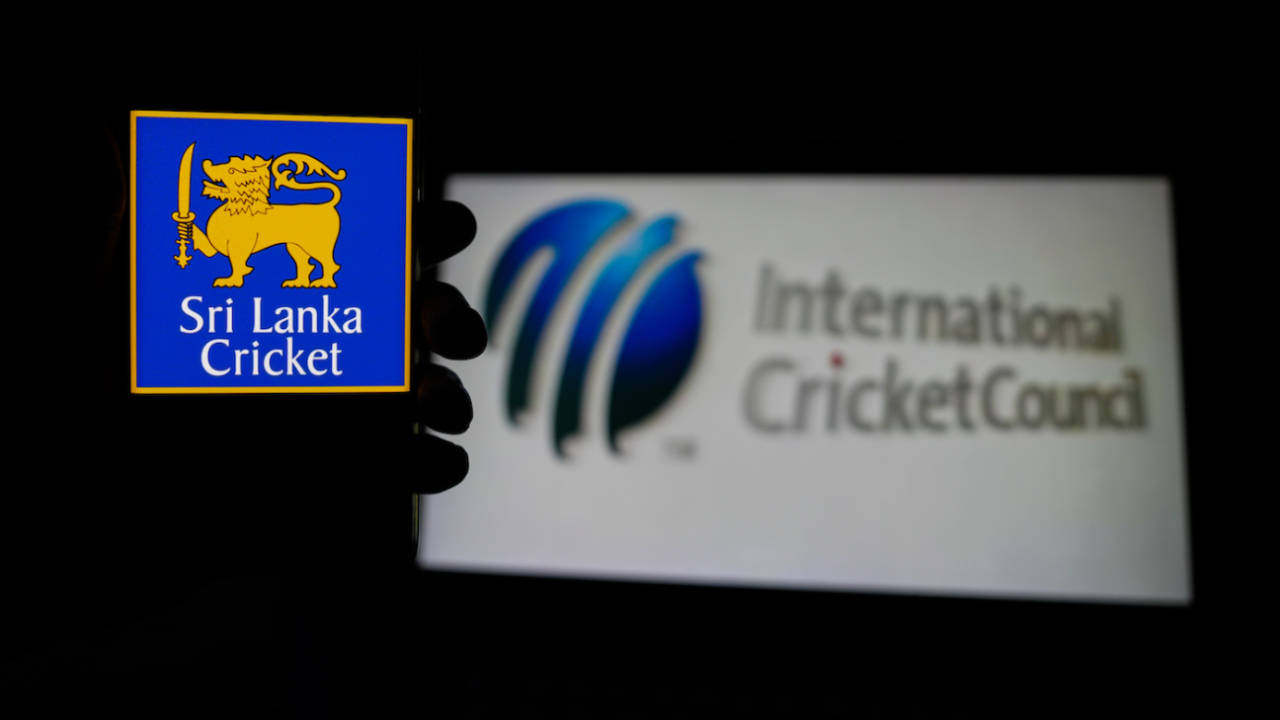
The corridors of power in Colombo are breathing a collective sigh of relief as the latest quarterly meeting of the International Cricket Council (ICC) in Ahmedabad concluded without any punitive action against Sri Lanka Cricket (SLC). Despite the ongoing political and administrative overhaul within the organization, the ICC’s decision to refrain from imposing sanctions is being viewed as a positive signal by the newly appointed Transformation Committee.
The Transformation Committee’s Mandate
The Transformation Committee was established in May by the Sri Lankan government to oversee the administration of the sport, effectively replacing the previously elected office-bearers. This move was initially met with apprehension, given the ICC’s stringent stance against government interference in the management of its member boards. History has shown that such interventions often lead to swift repercussions, as seen in both 2015 and late 2023 when the ICC moved to sanction or suspend SLC due to perceived political overreach.
However, the current climate appears different. Following a fact-finding visit to Colombo by ICC Deputy Chair Imran Khwaja, the global governing body has maintained a measured approach. While no SLC representative was invited to the recent Ahmedabad meetings, the lack of formal sanctions serves as a major reprieve for the local administration.
Navigating ICC Scrutiny
A member of the Transformation Committee, speaking on condition of anonymity, remarked, “So far what we feel is that no news is good news.” This cautious optimism stems from the fact that the committee’s primary directive is to reform the internal structure of the game. The ICC, for its part, released a brief statement confirming that Imran Khwaja and Devajit Saikia of the BCCI had visited Colombo to meet with stakeholders, acknowledging the ongoing developments without declaring them as grounds for suspension.
The current state of affairs is a delicate balancing act. While the ICC is closely monitoring the situation, the transformation process is viewed by the current committee as a necessary evolution rather than an act of political aggression. The committee, led by Eran Wickramaratne, argues that the primary goal is to overhaul an outdated constitution that no longer serves the interests of the public.
Goals for Future Reform
Eran Wickramaratne, a former politician and the current chair of the Transformation Committee, has been vocal about the necessity of these changes. He suggests that the push for reform transcends partisan politics. “Even in the debates in parliament, which were not driven by party loyalties, it has been acknowledged that there has to be a change at Sri Lanka Cricket,” Wickramaratne stated. According to him, the committee’s mandate is clear: rewrite the SLC constitution to ensure better transparency and alignment with the requirements of the Sri Lankan people.
The committee is currently focusing on a consultative process, inviting stakeholders and the public to contribute their ideas for the future of the sport. The intention is to create a governance framework that is robust, modern, and immune to the cycles of instability that have plagued the board in the past.
Looking Ahead
The path forward remains complex. While the immediate threat of ICC sanctions has subsided, the governing body will undoubtedly continue to scrutinize the committee’s progress. There is a palpable hope within the SLC that this period of transition will eventually lead to the normalization of relations with the ICC, including invitations to future board meetings where Sri Lanka’s voice can be heard once more.
For now, the focus remains on reform. The Transformation Committee faces the immense challenge of restructuring one of the nation’s most high-profile institutions while keeping the ICC satisfied. Whether this period of “no news” turns into a permanent resolution or merely a temporary stay of execution will depend heavily on the committee’s ability to demonstrate that their efforts are genuinely focused on the betterment of cricket in Sri Lanka rather than political control.
As the situation unfolds, the cricketing world will continue to watch closely, waiting to see if these structural changes will ultimately lead to a more stable and prosperous era for the national team and its supporting infrastructure.