Matthews left frustrated after ‘clear gap’ on caught behind review
A Controversial Exit at Lord’s
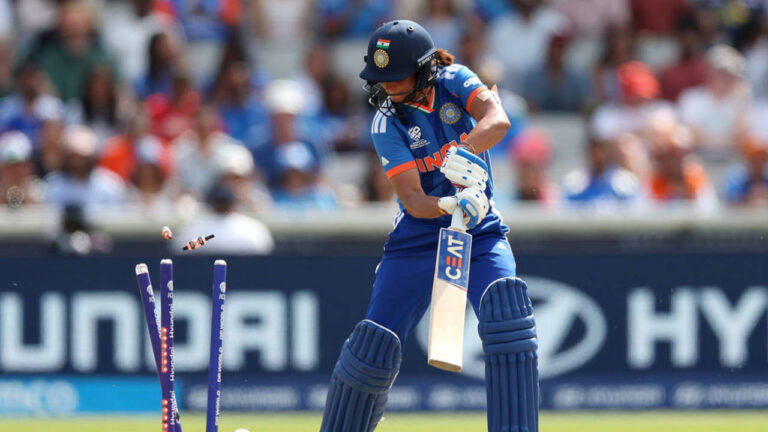
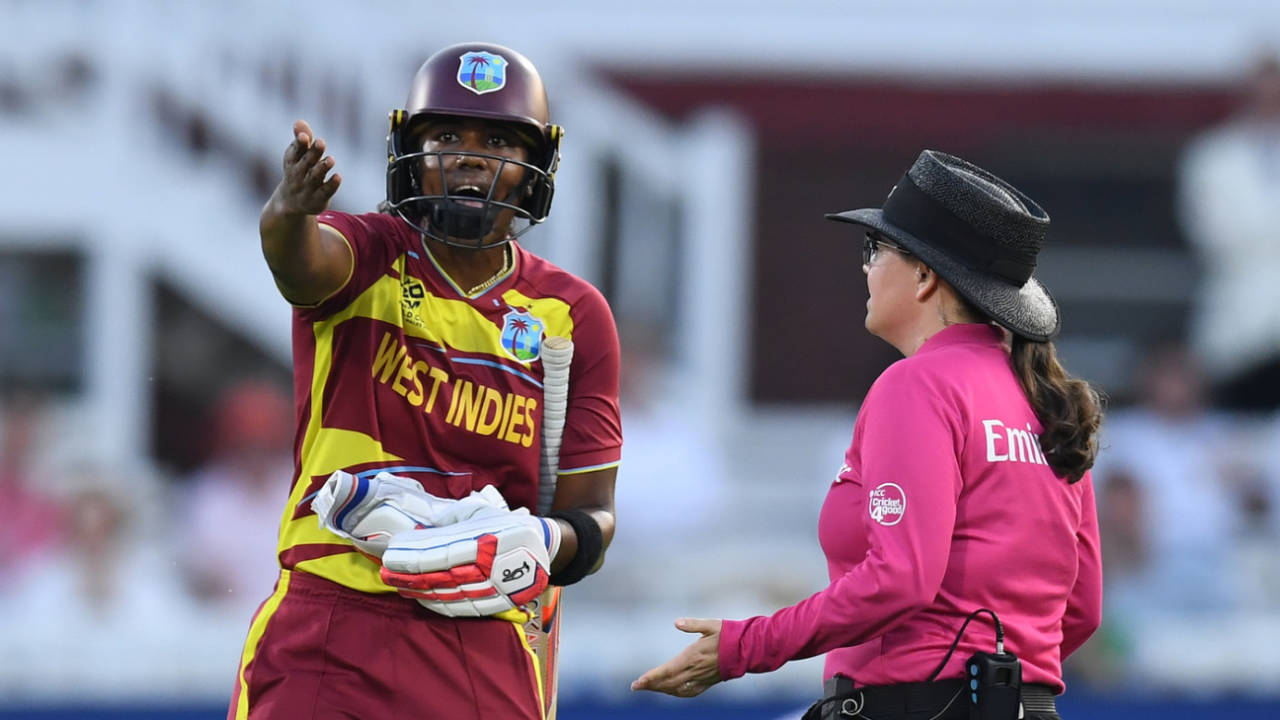
In a high-stakes T20 World Cup fixture at Lord’s, the West Indies suffered a 38-run defeat to England, but the match will be remembered primarily for a contentious DRS decision that left captain Hayley Matthews visibly incensed. The dismissal occurred during the fourth over of the run chase, as Matthews attempted a cut shot against Linsey Smith.
England wicketkeeper Amy Jones immediately appealed for a catch behind, but on-field umpire N Janani remained unmoved. England’s stand-in captain, Charlie Dean, opted to review the decision. What followed was a prolonged period of uncertainty that eventually saw the original ‘not out’ verdict overturned.
The Technical Debate
The review process proved to be anything but straightforward. While initial video replays failed to show any clear deflection of the ball off the bat, the TV umpire, Nimali Perera, turned to UltraEdge. The technology produced a spike, which led the official to conclude there was contact. However, from the front-on camera angle, there appeared to be a distinct space between the bat and the ball, a point that even the TV umpire acknowledged before ultimately upholding the appeal.
Reflecting on the incident after the match, Matthews expressed her confusion. She maintained that she was convinced she had not hit the ball, suggesting that the sound heard—and subsequently picked up as a spike—may have originated from her bat handle or another source. “I felt like you could have seen a clear gap between bat and ball,” Matthews noted during the press conference. “At the same time, the TV umpire has to work with the technology that there is, and she saw a spike. At the end of the day, I have to respect that decision.”
A Recurring Issue in Cricket
This incident has reignited the broader conversation regarding the efficacy of edge-detection technology in elite cricket. The incident echoes similar controversies witnessed during the 2025-26 Men’s Ashes series, where the accuracy of the ‘Snicko’ system faced significant scrutiny. For players, the reliance on these systems is absolute, yet when visual evidence appears to contradict the audio spikes, the frustration of the athletes is palpable.
Matthews was seen remonstrating with the on-field officials following her exit and continued to express her displeasure while watching replays on the bench alongside head coach Shane Deitz. The frustration was compounded by the fact that the West Indies were chasing a challenging target and required their captain to anchor the innings.
Looking Ahead for the West Indies
Beyond the controversy, Matthews candidly addressed her own recent form. Having scored 48 in the opening victory against New Zealand, she has since struggled to find her rhythm, with scores of 14, 17, and 14 in her subsequent outings. Despite this, she remains optimistic about the team’s depth.
“I need to get some runs,” she admitted. “Deandra [Dottin] probably feels like she hasn’t been at her best either, and yet we are still winning games. It shows that we have got a lot more people that we are relying on now.”
The West Indies currently sit in second place in Group 2, trailing only the hosts, England. With one group match remaining against Ireland, the path to the semi-finals remains clear: a victory will secure their spot in the final four. If they falter, they risk falling victim to net run rate calculations, with New Zealand and Sri Lanka waiting in the wings to capitalize on any slip-up. For now, the team must put the disappointment of the Lord’s match behind them and focus on the must-win scenario that awaits on Saturday.